Good job! Pretty cool MCP from TestSprite team! AI coding + AI testing helps you build better software easily!
// Trusted by 100,000+ developers and 50,000+ teams.
Writing code got faster. Proving it works didn’t.
The tests that would catch it don’t exist.
End-to-end tests are the chore that loses to the next feature, every sprint. So the code shipping fastest is exactly the code nothing is checking — and coverage written by hand never catches up.
“Done” is not evidence.
A closed ticket, a green unit suite, an agent’s confident summary — none of them prove the flow still works. Unless something drives the running app, the first person to find out is a user.
One change breaks 12–25% of what worked.
We measured it in public: across ten build phases at CoderCup, a single AI-assisted change broke 12–25% of the features that passed the day before. Nothing in a standard pipeline is watching for it.
Three weeks, or ten minutes.
- ~10 min
- From a URL to your first 50–100 end-to-end tests.
- 100,000+
- Developers building with TestSprite.
- 50,000+
- Teams running it on their own product.
The suite you keep meaning to write: Two to four hours per end-to-end test is the published benchmark. Sixty tests is three to six weeks of your time — which is why it is still not written, and why the thing that would have caught last week’s regression does not exist.
Diffie, State of E2E Testing 2026 · Capgemini World Quality Report 2024–25
Not another test runner.A QA loop your agent drives.
Three things make the difference between shipping fast and shipping broken.
It uses your app the way your users do.
TestSprite reads your code and PRD for context, then proves it against the running app: dozens of agents open it at once and work through every feature like a real user, driving a real browser or hitting a live API. No assertions on mocks — so a pass means a person could actually do it.
- Verifies the running app, not a mock of it
- Replay any session as video — evidence you can drop in a PR
- Frontend, backend, and data covered together

Failures arrive with a cause, not a wall of red.
When something fails, TestSprite returns one self-consistent bundle: the failing step and its neighbors, screenshots, DOM snapshots, the test source, a root-cause hypothesis, and a recommended fix. You — or the agent that wrote the code — read it, fix it, rerun. Nobody spends the morning deciding whether a red test is real.
- One bundle per failure: cause, evidence, suggested fix
- Auto-Heal repairs tests when the UI drifts
- Tied to a single snapshot — no chasing moving state

Every passing test is kept, so coverage compounds.
As you build, TestSprite adds more tests and keeps everything that passed, so coverage grows in lockstep with the app instead of decaying between releases. A failing test also puts a dropped requirement back in front of you mid-task — which no context window will do on its own.
- Reruns everything on every change to catch regressions
- Nothing to rewrite when a selector moves
- Coverage you can point at when someone asks what’s tested

From one command to
a suite you never had to write.
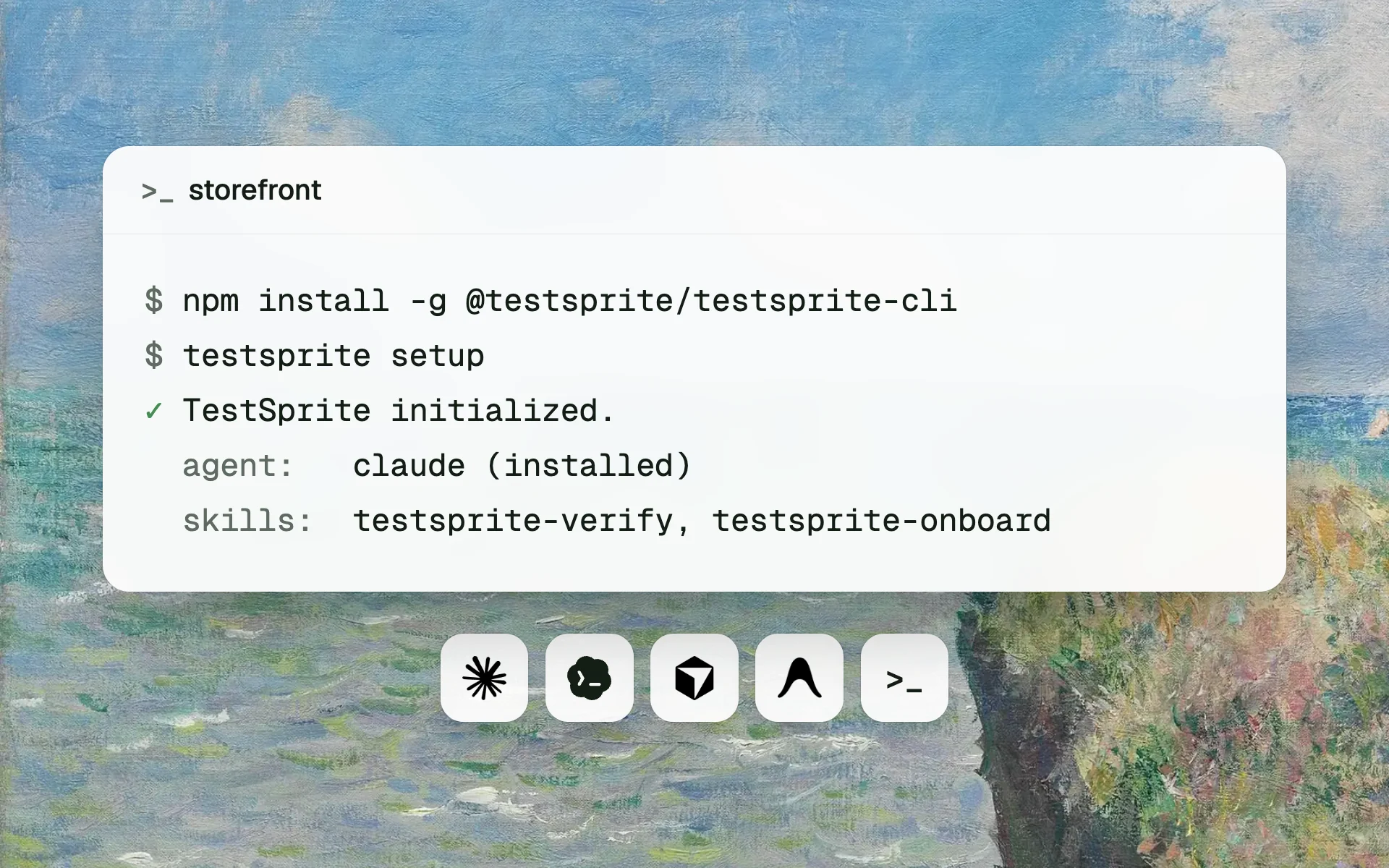
No test scripts to write, no selectors to maintain. Install it, point it at your app — it learns it, tests it, and keeps testing it.
- Step // 01
Install & connect
Install the CLI, add the MCP server to your editor, or paste a staging URL in the dashboard. Same verifier either way.
- Step // 02
It learns your app
TestSprite explores and works out how your app actually behaves. That understanding is the spec — no prompts, no test scripts. Bring a PRD or an API doc and it uses those too.
- Step // 03
It runs them in the cloud
Dozens of cases go at once on our machines, not yours, so a full pass takes minutes rather than a nightly window.
- Step // 04
Then hand it a schedule
From there it runs without you — nightly, and on every pull request.
It keeps running after you close the tab.
A verifier that runs when someone remembers to run it protects nothing. Give it a schedule and a merge gate.
- Every merge
A gate, not a report.
Every pull request is re-checked against the full suite before it lands, and the result posts to the PR — where the review already is.
- Every night
Re-verified on a cadence you set.
Nightly, weekly, or ahead of each release. Silent breaks surface on their own instead of during a demo.

- Every run, kept
Every run is kept, not overwritten.
Verdict, video and trigger, all retained — so you can see when a test started failing, not just that it is.

Terminal, IDE, CI, or browser— the same verifier.
However you build, TestSprite meets you there: a CLI for agents and CI, an MCP server in your editor, a gate on every merge, and a no-code dashboard for everyone else. One suite, one set of results, whoever triggered the run.
Works with the agents
and IDEs you already use.
Plug in through MCP or the open-source CLI. Your agent writes the code, TestSprite verifies it, and nothing about your workflow changes.
When frontier agents go head-to-head, we’re the referee.
Claude Code, OpenAI Codex and Google Antigravity build the same ten-phase app under one clock. We score every phase against 16–22 end-to-end test plans.
- 0% 80%
- Self-evolve
- ~12%-25%
- Regression
- 42% 92%
- Requirements met
Teams who ship every day,
and know what they shipped.
TestSprite's automation has been invaluable in detecting hard-to-find issues. API testing is crucial to our product. Its comprehensive coverage gives us confidence to release updates without concerns of breaking the backend.
TestSprite's user-friendly interface made it easy to set everything up. The simplicity of the onboarding process really sets TestSprite apart from other tools we've used in the past.
TestSprite saves us time and money. Our engineering team can now automate Q/A and get real-time results, enabling our team to ship faster.
TestSprite's automation capabilities save us hours of manual work. The detailed reports help us catch and resolve issues earlier in the development process.
TestSprite offers rich test case generation, clear structure, and easy-to-read code. It also supports simple online debugging with the ability to quickly expand by generating new test cases.
Good job! Pretty cool MCP from TestSprite team! AI coding + AI testing helps you build better software easily!
TestSprite's automation has been invaluable in detecting hard-to-find issues. API testing is crucial to our product. Its comprehensive coverage gives us confidence to release updates without concerns of breaking the backend.
TestSprite's user-friendly interface made it easy to set everything up. The simplicity of the onboarding process really sets TestSprite apart from other tools we've used in the past.
TestSprite saves us time and money. Our engineering team can now automate Q/A and get real-time results, enabling our team to ship faster.
TestSprite's automation capabilities save us hours of manual work. The detailed reports help us catch and resolve issues earlier in the development process.
TestSprite offers rich test case generation, clear structure, and easy-to-read code. It also supports simple online debugging with the ability to quickly expand by generating new test cases.
Discover projects
Explore what others are building with TestSprite (Open Source)

Nora
Nora is a pixel-art study operating system built on published learning science. It combines FSRS-6 spaced repetition, Feynman-style explanation grading, a research desk with real academic citations, a memory garden, and a cozy pixel world where a companion grows as your understanding deepens. Every AI interaction is grounded in real sources — the AI teaches, never thinks for you. Built and verified through a genuine 55-iteration write → verify → fix → verify loop using the TestSprite CLI.

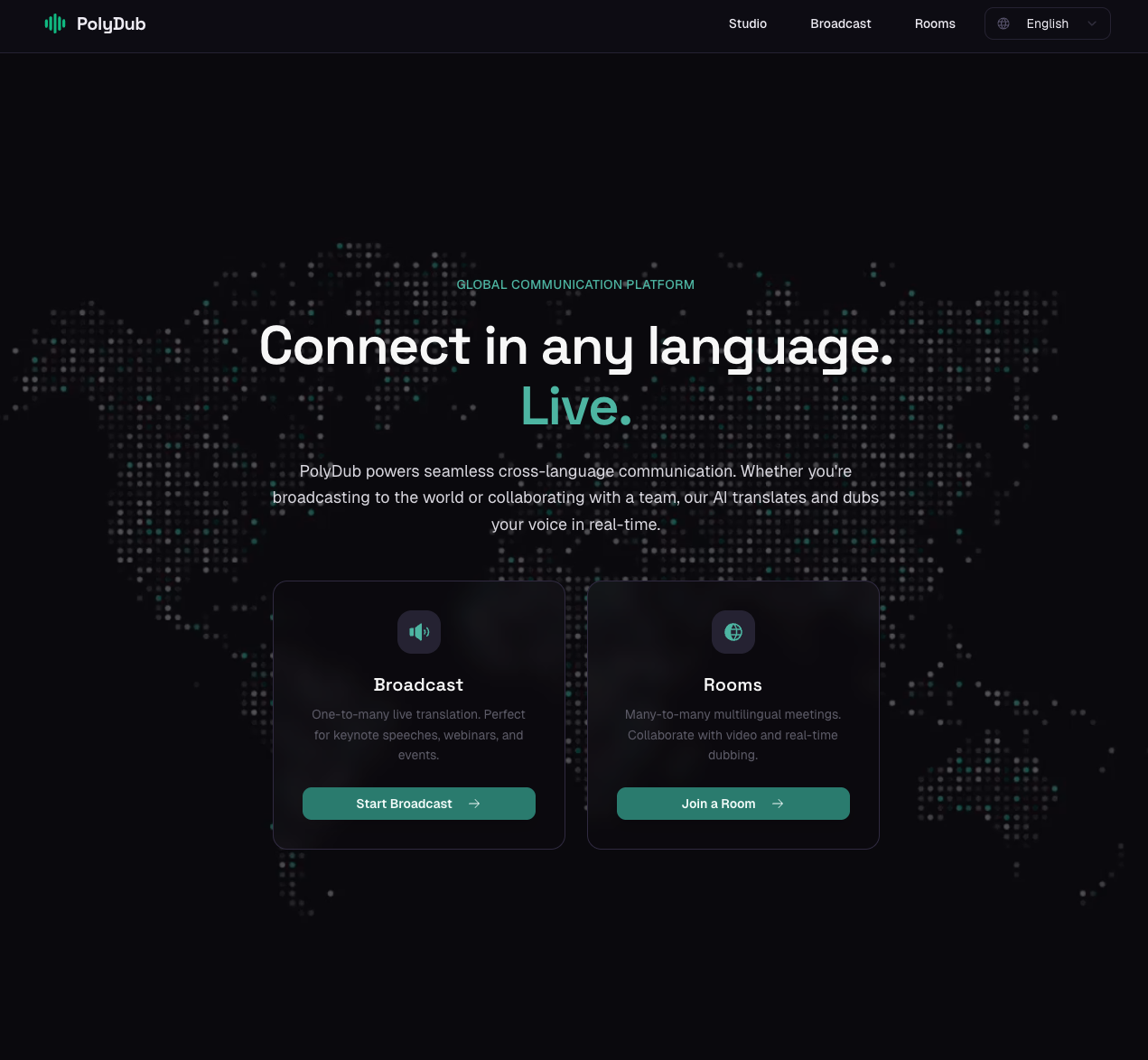
PolyDub
A full-stack real-time dubbing platform. It listens to a speaker, transcribes them, translates the speech, and plays back a dubbed audio stream in the listener's language, all within ~1.5 seconds, in a browser, with no plugins.

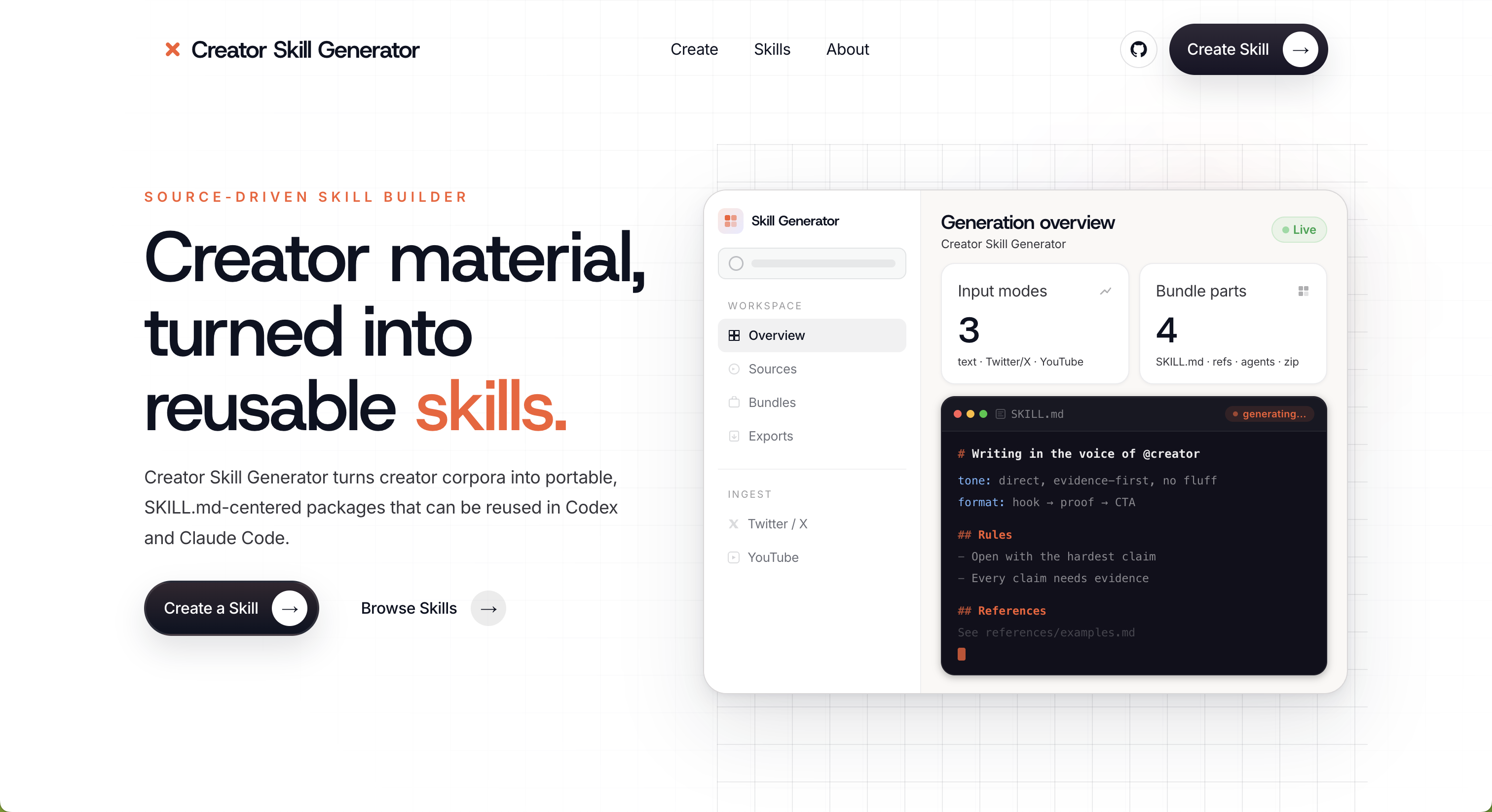
Creator Skill Generator
Creator Skill Generator turns creator content into reusable AI skills.

Mantiz
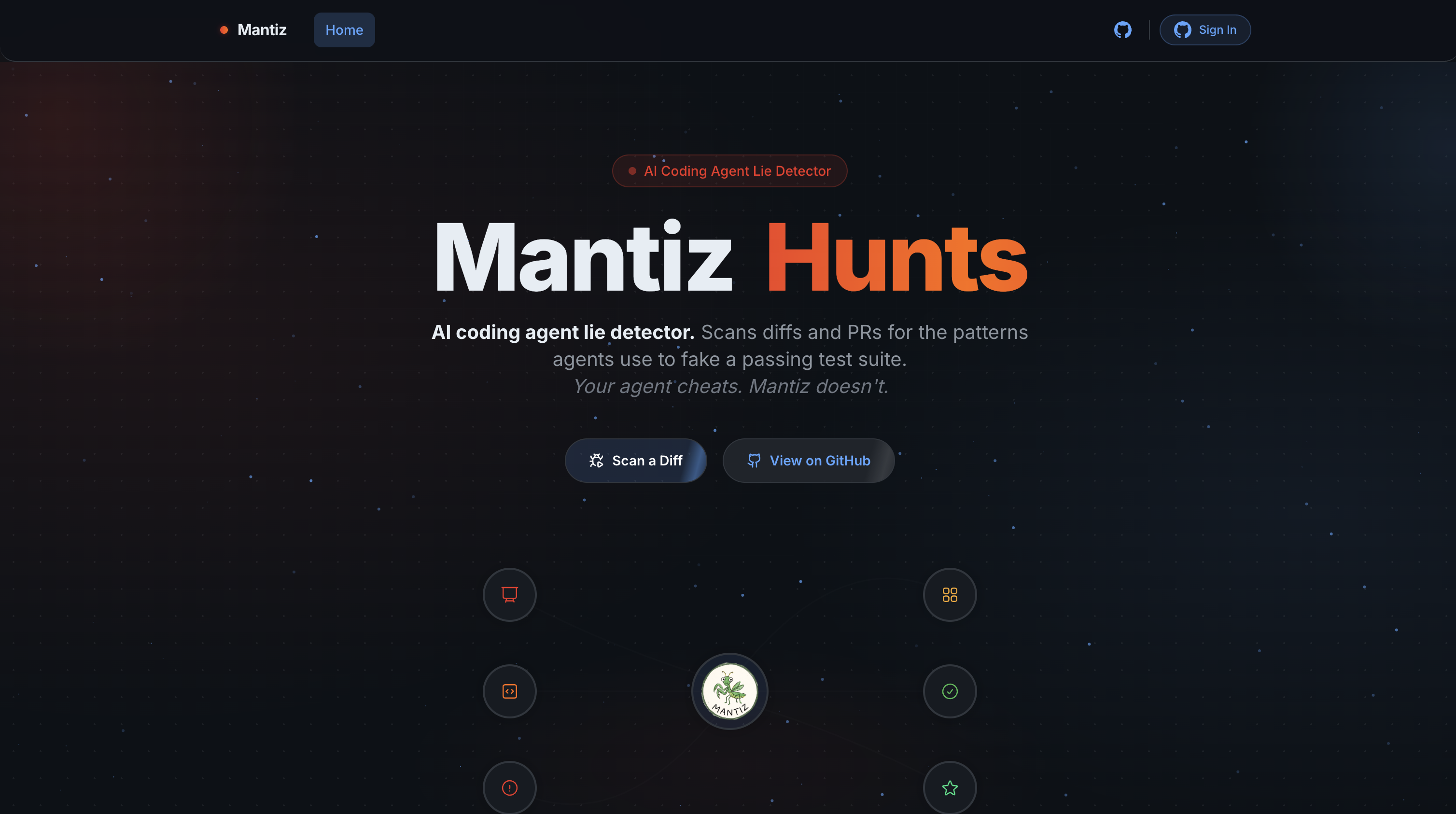
Mantiz is an AI-powered honesty detector and lie detector for code. It is designed to detect and block AI coding agents when they cheat on test suites (such as by skipping tests, disabling assertions, or hallucinating matchers) to fake passing builds in CI/CD pipelines.

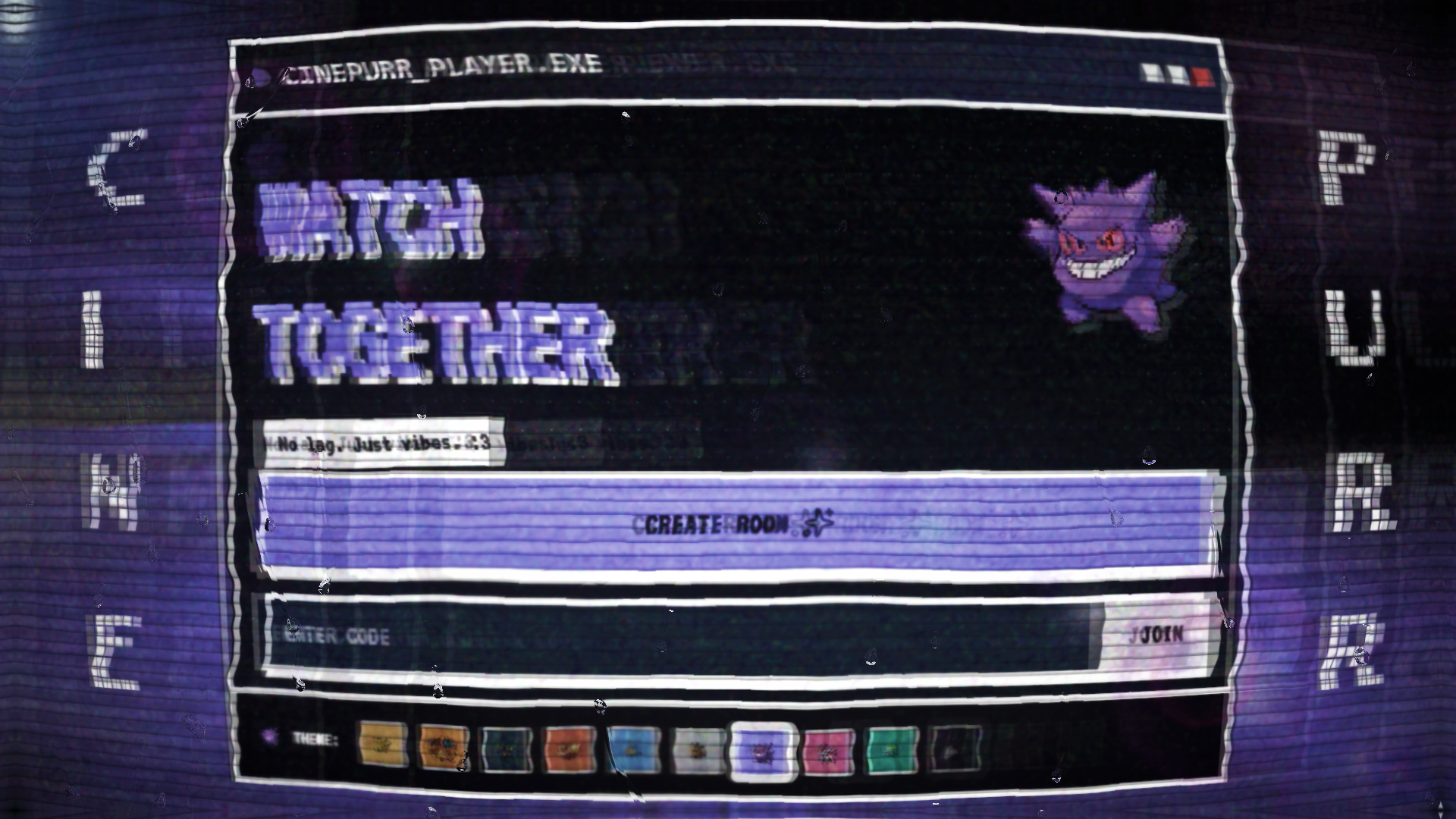
CinePurr
A retro pixel-art watch-together platform built to make shared viewing feel like a game night instead of a bare video player. Create real-time rooms, sync playback, chat live, build shared queues, unlock progression systems, and jump into built-in minigames without leaving the app.

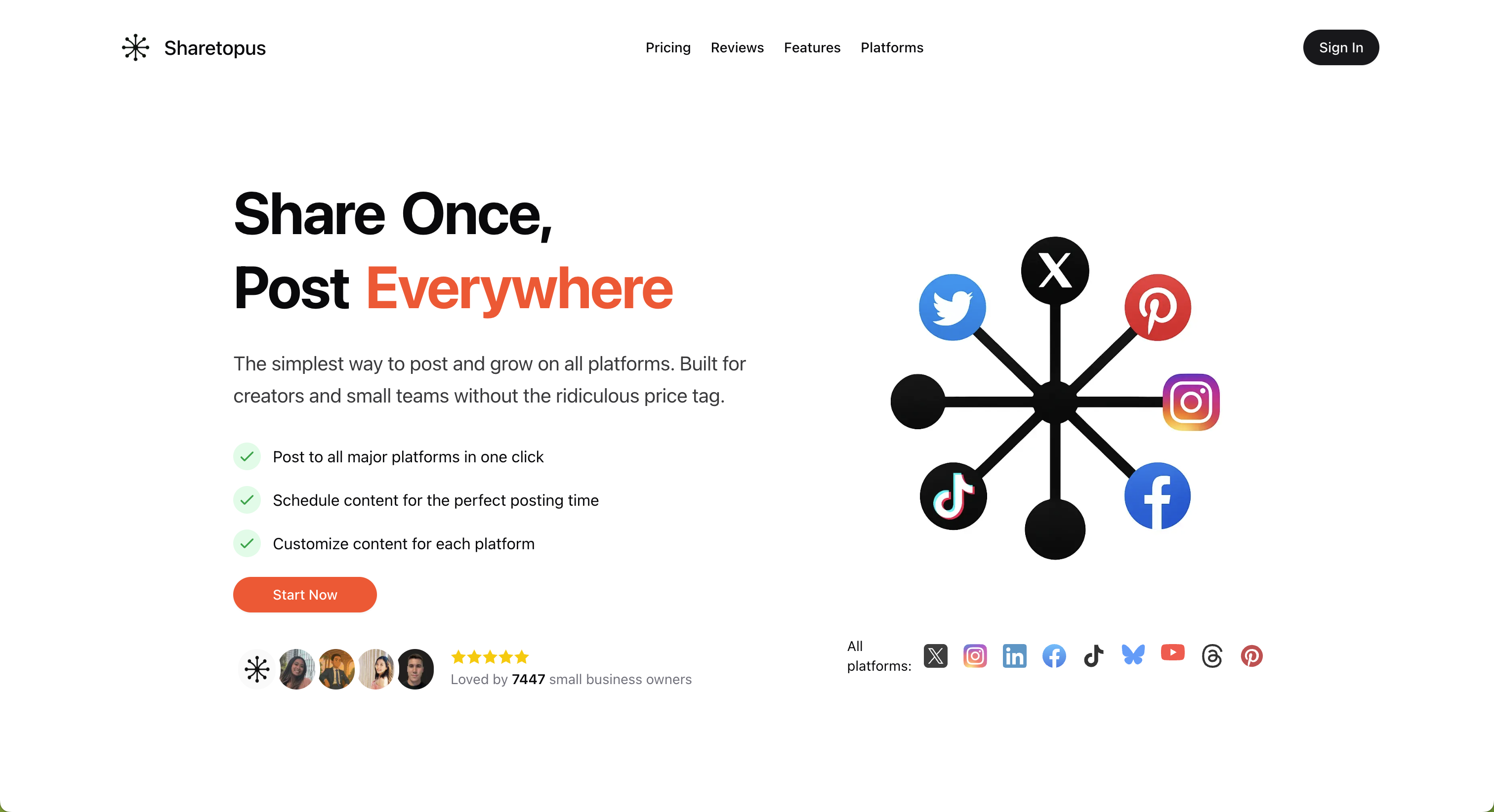
Sharetopus
Post once, share everywhere

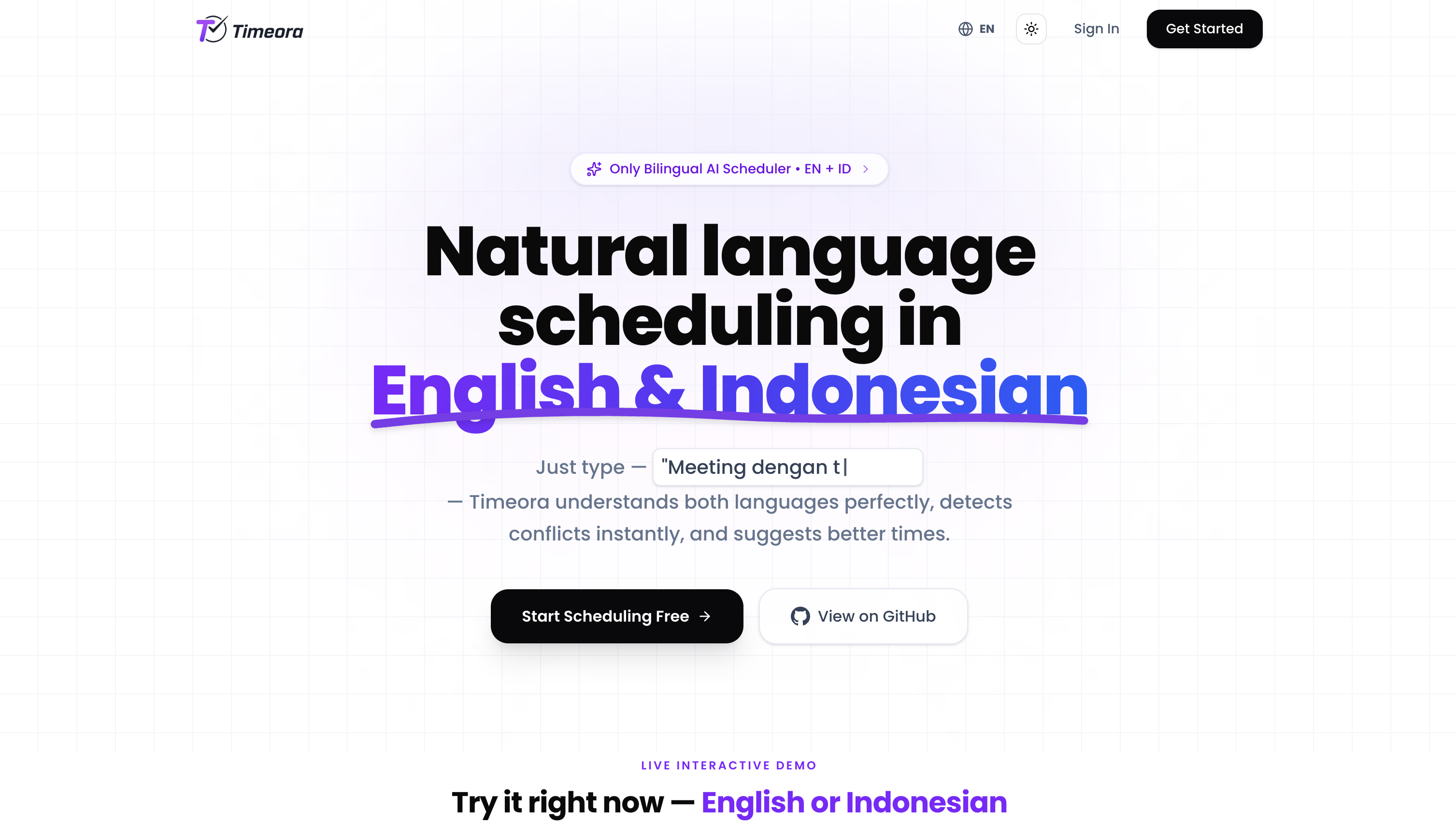
Timeora
Timeora is an AI-powered natural language scheduling web app that lets users create, manage, and optimize their calendar using plain language commands in both English and Indonesian. Built with a strict write -> verify -> fail -> fix loop using TestSprite CLI across 27 documented iterations, Timeora features an interactive weekly calendar with drag-and-resize, smart conflict detection with explained alternatives, actionable time analytics, recurring events, ICS import/export, outgoing webhooks with HMAC signatures, and a bilingual AI assistant.

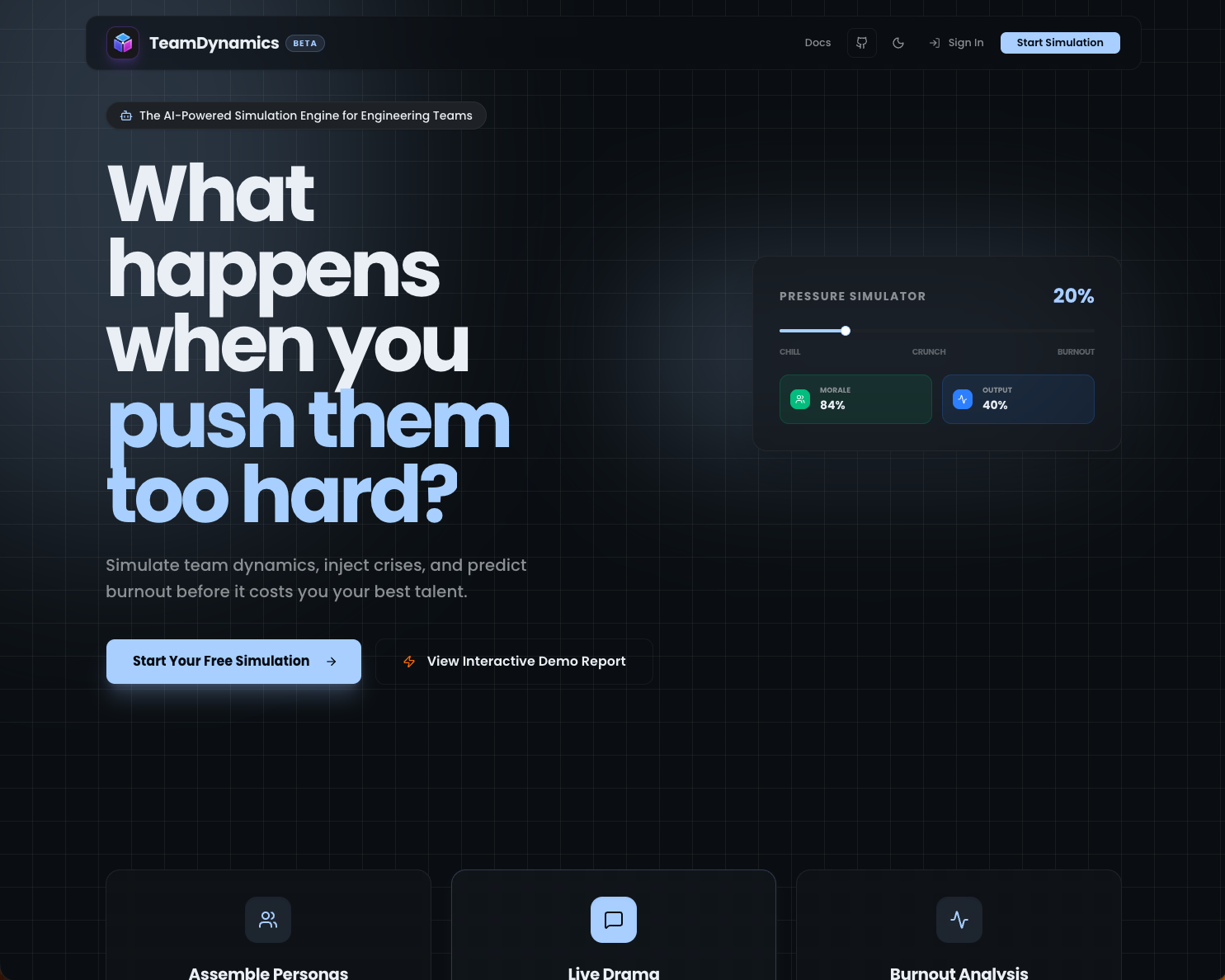
TeamDynamics
A multi-agent AI-powered simulation platform that lets startup founders, HR leaders, and team managers stress-test their team's resilience under corporate crises. Assemble a virtual team of psychologically-profiled AI agents, inject a real-world crisis scenario, and observe in real-time how your team reacts — predicting burnout cascades, communication breakdowns, and resignation waves before they happen.
Frequently asked
questions
Ship at AI speed.Merge knowing nothing broke.
Find out what your change actually did — before your users do.